
Tooth Decay Treatment
Tooth decay is one of the most common dental problems and can affect children, teenagers, and adults. It occurs when bacteria in the mouth produce acids that gradually damage the tooth’s protective enamel. If the damage progresses, it can affect the deeper layers of the tooth, leading to sensitivity, pain, and infection.
At Hasya Dental Care, patients can receive a dental assessment to identify tooth decay and understand the treatment options suitable for their condition. Early diagnosis can help prevent further damage and may allow the tooth to be treated with a simpler procedure.
If you notice tooth sensitivity, dark spots, visible holes, or discomfort while eating, consulting a dentist can help determine whether tooth decay is present and what treatment may be needed.

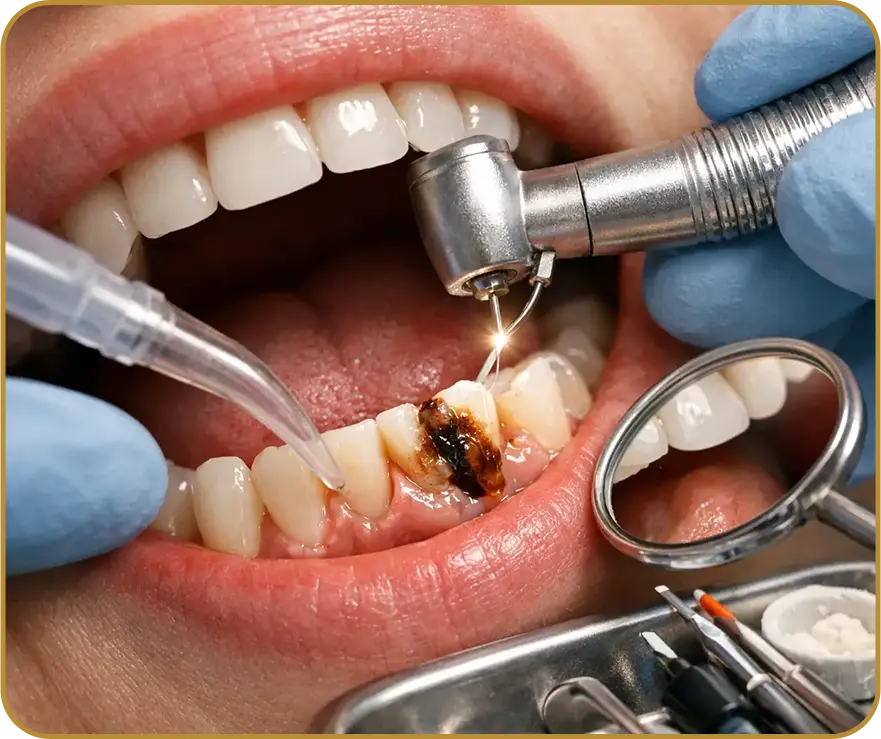
Tooth decay, also known as dental caries or cavities, is the gradual breakdown of tooth structure caused by acids produced by bacteria in dental plaque. Plaque forms on the teeth when bacteria combine with food particles and saliva.
When you consume sugary or starchy foods frequently, oral bacteria can produce acids that remove minerals from the enamel. If this process continues without adequate protection and care, the enamel can weaken and a cavity may develop.
In its earliest stages, enamel damage may sometimes be managed with fluoride and appropriate preventive care under dental guidance. However, once a cavity has formed, the damaged tooth structure generally requires professional treatment.
Tooth decay does not always cause pain in its early stages. As the damage progresses, you may notice one or more of the following symptoms:
- Tooth sensitivity: Discomfort when consuming hot, cold or sweet foods and drinks.
- Toothache: Mild or persistent pain in the affected tooth.
- White, brown or black spots: Changes in tooth colour that may indicate enamel damage or decay.
- Pain while chewing: Discomfort when biting or applying pressure to a tooth.
- Food getting trapped: Food repeatedly collecting in a particular area between or around teeth.
- Persistent discomfort: Pain that becomes more frequent or severe as decay advances.

Several factors can contribute to the development of cavities. Understanding these causes can help you reduce your risk.
Sweets, biscuits, chocolates, sugary beverages and frequent snacking can provide oral bacteria with the sugars they use to produce acids. The frequency of sugar exposure matters, not just the total amount consumed.
Irregular brushing and insufficient cleaning between teeth can allow plaque to accumulate. Over time, plaque-related acids can weaken enamel and contribute to cavities.
Fluoride helps strengthen tooth enamel and supports the repair of early mineral loss. Limited fluoride exposure may increase the risk of tooth decay.
Saliva helps wash away food particles, neutralise acids and protect the teeth. Reduced saliva production can increase the risk of cavities.
The grooves on the chewing surfaces of back teeth can trap food and plaque, making them more difficult to clean thoroughly.
Acidic foods and drinks can contribute to enamel erosion. Enamel erosion and bacterial tooth decay are different processes, but weakened enamel can make dental care especially important.
Acidic foods and drinks can contribute to enamel erosion. Enamel erosion and bacterial tooth decay are different processes, but weakened enamel can make dental care especially important.
The appropriate treatment depends on the location of the decay, how deeply it has progressed and whether the inner pulp of the tooth is affected. A dentist will assess the tooth and may recommend an X-ray when necessary.
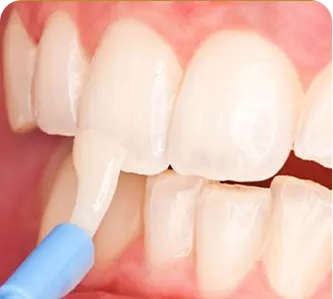
When decay is detected at an early stage before a cavity forms, a dentist may recommend fluoride treatment, improved oral hygiene and dietary changes to support remineralisation. The suitability of this approach depends on the extent of enamel damage.
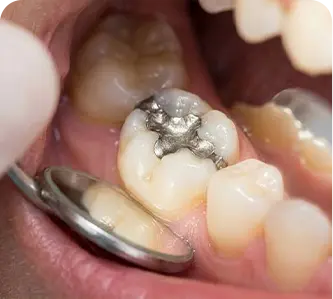
A dental filling is commonly used when decay has created a cavity but the tooth can still be restored without root canal treatment. The dentist removes the decayed portion and fills the prepared area with a suitable restorative material.
Tooth-coloured composite fillings may be an option depending on the tooth and the size of the cavity. Your dentist can explain the material, procedure and expected cost after examining the affected tooth.
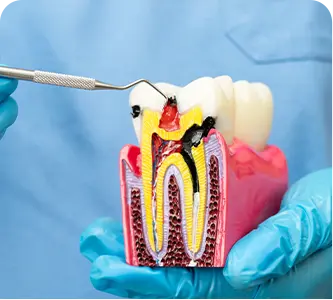
When decay reaches the pulp inside the tooth, root canal treatment may be needed to address the damaged or infected tissue and help preserve the natural tooth.
The dentist cleans and disinfects the root canal system before sealing it. Depending on the amount of remaining tooth structure, a crown or another restoration may be recommended.
Learn more about Root Canal Treatment at Hasya Dental Care.
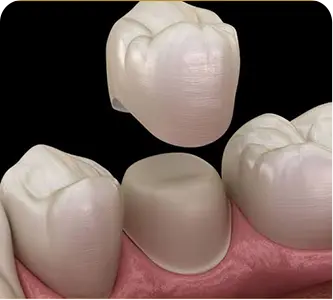
If extensive decay has weakened a tooth, a dental crown may be recommended after the affected tissue has been treated. The choice of restoration depends on the tooth’s condition and how much healthy structure remains.
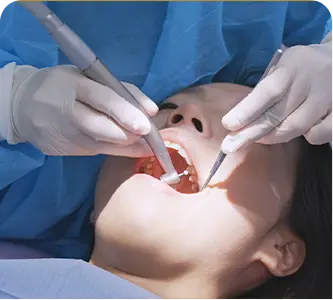
Extraction may be necessary if the tooth is too damaged to be restored predictably. Whenever possible and appropriate, the dentist will assess whether the natural tooth can be preserved before recommending removal.
A dental examination helps determine whether a tooth has decay and how advanced it may be. The assessment may include:
- Reviewing your symptoms and dental history.
- Examining the tooth surfaces for visible changes or cavities.
- Checking for sensitivity or tenderness when appropriate.
- Taking dental X-rays if required to identify decay between teeth or assess its depth.
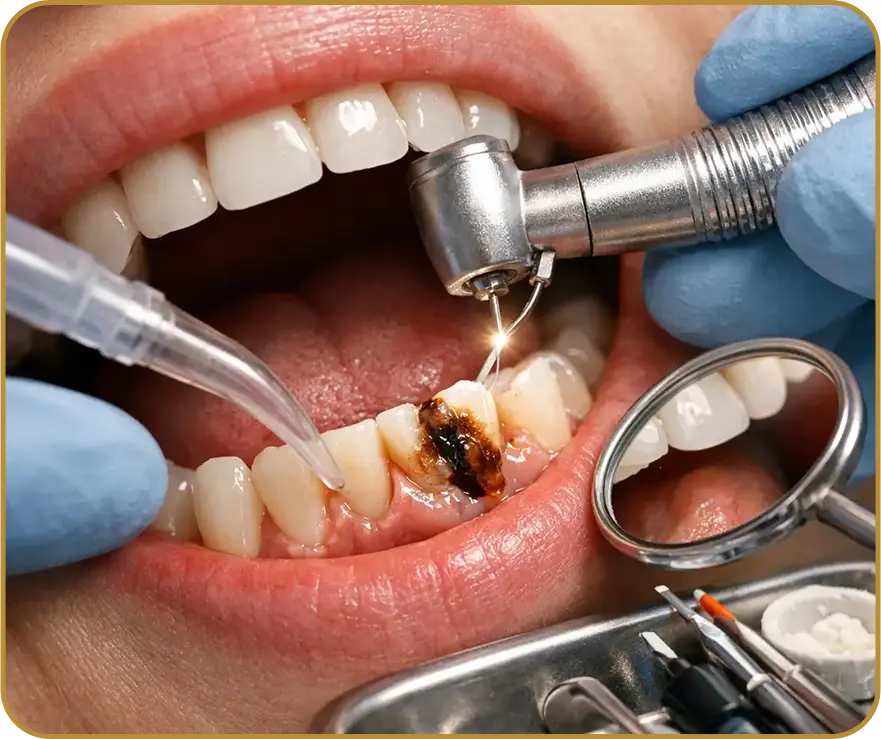
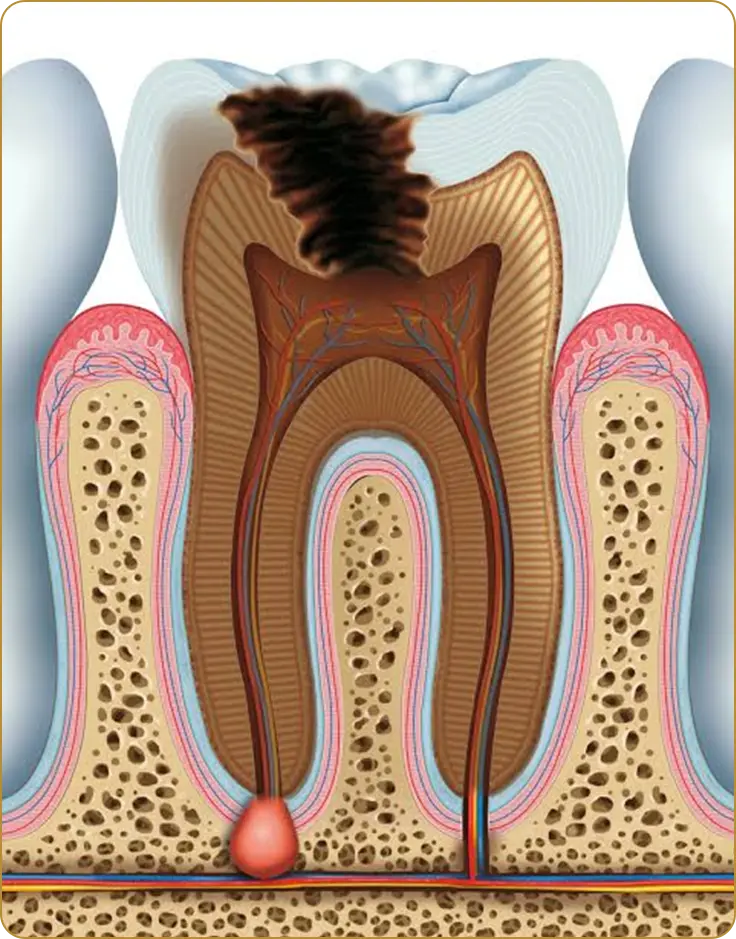
Daily oral care and regular dental assessments can reduce the risk of cavities.
- Brush twice daily with fluoride toothpaste.
- Clean between your teeth every day using floss or suitable inter dental cleaning aids.
- Reduce frequent snacking on sugary foods and limit sugary drinks.
- Drink water regularly, particularly between meals.
- Avoid brushing immediately after consuming acidic foods or drinks; rinse with water and allow time for saliva to neutralize the acids.
- Attend regular dental check-ups based on your dentist's advice.
- Ask your dentist whether additional preventive treatments, such as fluoride applications or sealants, are appropriate.
Prevention is particularly important for children, people with dry mouth and anyone who has experienced repeated cavities.
Hyderabad at Hasya Dental Care
Tooth decay can range from early enamel damage to a deep cavity affecting the inner portion of the tooth. Identifying the problem early helps your dentist discuss suitable treatment options and the steps needed to protect your oral health.
At Hasya Dental Care, Hyderabad, patients can consult a dentist for an assessment of tooth decay, sensitivity and suspected cavities. The recommended treatment will depend on the condition of the affected tooth, the extent of damage and your individual dental needs.
If you have persistent tooth pain, sensitivity or a visible cavity, arrange a dental consultation rather than waiting for the symptoms to worsen.
Book a dental consultation with Hasya Dental Care to discuss your symptoms and suitable treatment options.
A very early area of enamel demineralisation may sometimes be remineralised with fluoride and appropriate preventive care. However, an established cavity does not grow back or heal on its own and usually requires professional dental treatment.
The experience depends on the extent of decay and the procedure required. Local anesthesia can be used for many restorative treatments to help manage discomfort. Your dentist can explain what to expect before treatment.
A straightforward filling may be completed in one appointment. More advanced decay requiring root canal treatment or a crown may require multiple visits. The exact timeline depends on the tooth and treatment plan.
No. Many cavities can be treated with fillings. Root canal treatment may be needed when decay damages or infects the pulp inside the tooth. A dental examination helps determine the appropriate treatment.
Yes. Frequent sugar exposure, inadequate cleaning between teeth, dry mouth, deep tooth grooves and other factors can contribute to cavities despite regular brushing. Using fluoride toothpaste and maintaining a complete oral care routine can help reduce the risk.
The cost depends on the severity of decay, the tooth involved and the treatment required. A filling, root canal treatment and crown have different costs. Hasya Dental Care can advise on the applicable charges following a dental assessment.
Consult a dentist if you notice sensitivity, a visible hole, tooth discolouration or pain while chewing. Severe pain, facial swelling or signs of spreading infection need prompt assessment.