
Oral Cancer Screening and TMJ/TMD Treatment in Hyderabad
Maintaining good oral health involves more than caring for your teeth and gums. Changes in the mouth, persistent discomfort, and problems with jaw movement may also require professional dental evaluation. Oral cancer screening and TMJ/TMD assessment help dentists examine specific concerns affecting the mouth, jaw, and surrounding structures.
At Hasya Dental Care, New Nallakunta, Hyderabad, patients can seek a dental consultation for concerns related to oral health and jaw discomfort. An appropriate examination helps the dentist understand your symptoms and determine whether further investigation, treatment, or referral to a specialist is required.


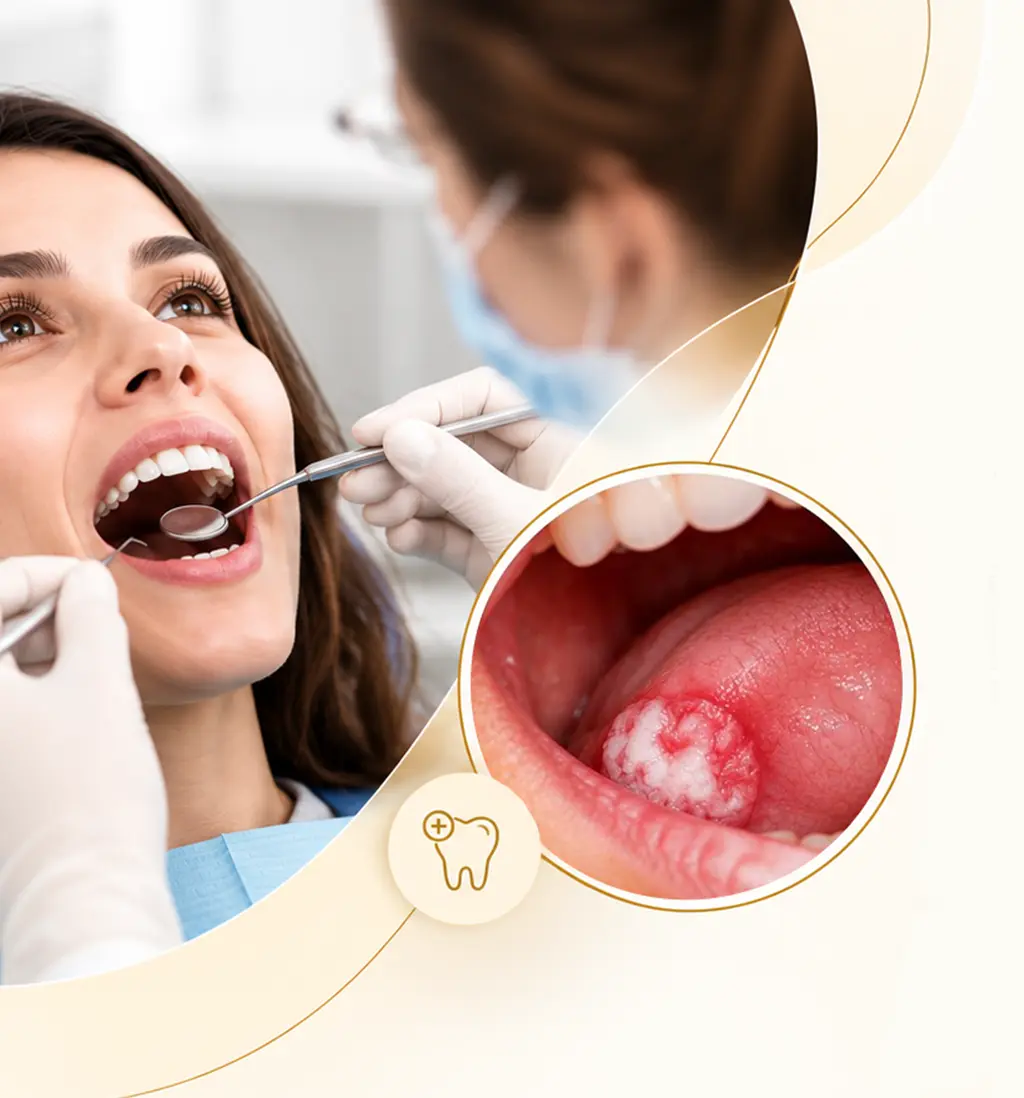
Oral cancer screening is an examination of the mouth to look for unusual changes that may require further investigation. It generally involves checking the lips, tongue, gums, inner cheeks, roof and floor of the mouth, and other accessible areas of the oral cavity.
During the examination, the dentist may look for unusual patches, sores, lumps, thickened areas, or other changes in the tissues. Depending on the findings, additional tests or referral to an appropriate specialist may be recommended.
Screening can help identify suspicious changes early, but it cannot confirm or rule out cancer on its own. A suspicious area may require further assessment and, when indicated, a biopsy.
You should arrange a dental assessment if you notice unusual changes in your mouth, especially if they persist or worsen.
Signs that need professional evaluation include:
- A mouth ulcer that does not heal within three weeks
- Persistent red or white patches inside the mouth
- An unexplained lump or thickened area in the mouth or on the lip
- Ongoing pain or discomfort in the mouth
- Difficulty swallowing or speaking
- An unexplained lump in the neck

An oral cancer screening generally begins with a discussion about your symptoms, medical history, and relevant lifestyle factors.
The dentist may then:
- Examine the lips, tongue, gums, cheeks, and other accessible tissues inside the mouth.
- Look for unusual sores, patches, lumps, or changes in tissue appearance.
- Examine or feel relevant areas around the jaw and neck when appropriate.
- Explain any findings and recommend further assessment if necessary.
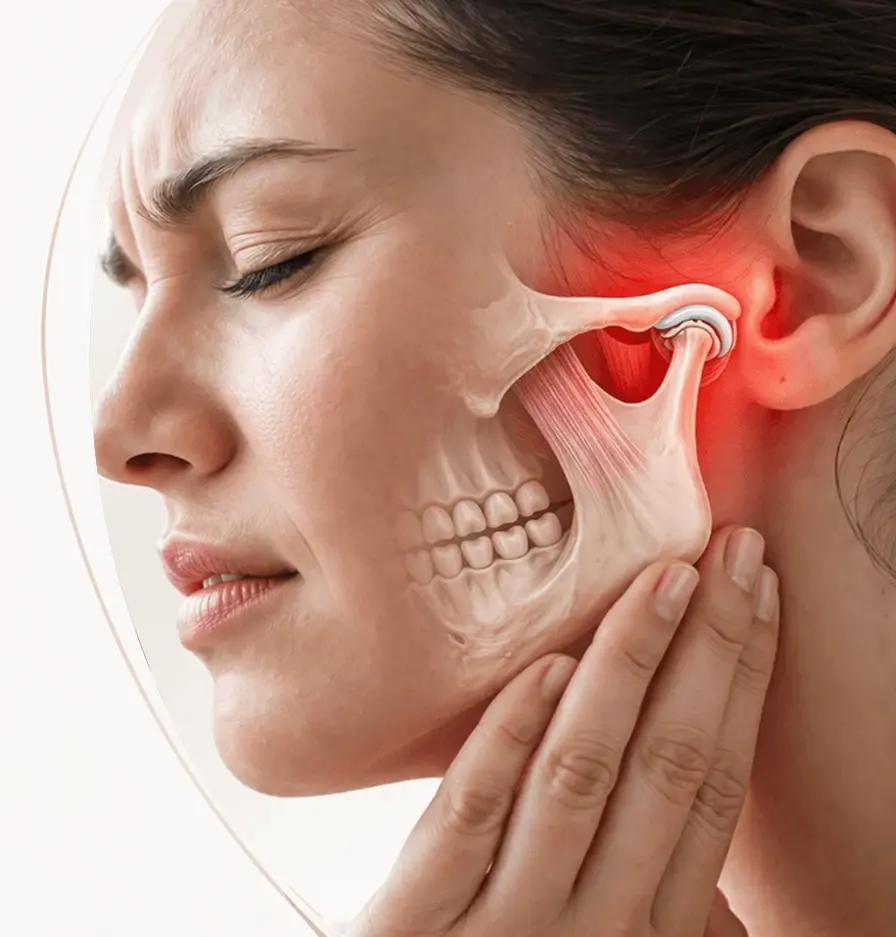
The temporomandibular joints, commonly called TMJs, connect the lower jaw to the skull. These joints work with the surrounding muscles to help you speak, chew, yawn, and open or close your mouth.
Temporomandibular disorders (TMD) refer to conditions affecting these joints, the surrounding muscles, or both. They can cause jaw discomfort and interfere with everyday activities such as eating and speaking.
TMJ refers to the joint itself, while TMD refers to the disorders affecting the joint and associated structures.
If you experience recurring jaw pain, discomfort while chewing, or difficulty opening your mouth, a dental evaluation can help identify the next appropriate step.
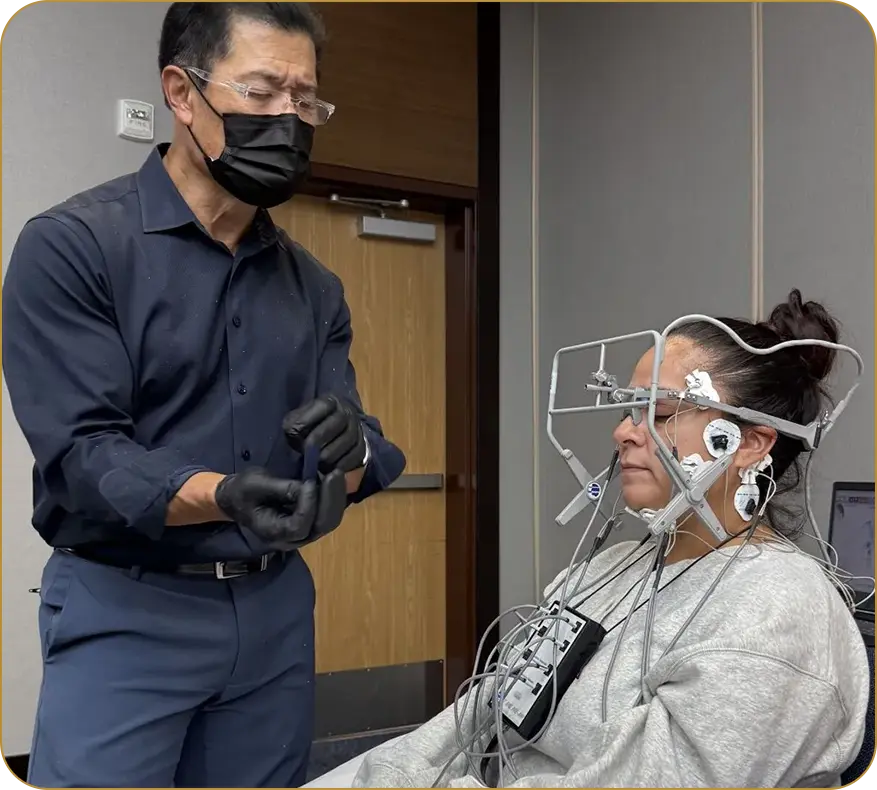
An assessment may include a discussion of your symptoms and medical history, an examination of jaw movement, and an evaluation of the affected muscles and joints. The dentist may also assess your teeth and bite where relevant.
Depending on the findings, recommendations may include conservative self-care measures, appropriate dental management, or referral to a specialist for further assessment.
The treatment approach depends on the cause and severity of the condition. Not every patient requires an appliance, medication, or surgery. Many TMD problems can initially be managed with simple, conservative measures.

TMJ/TMD symptoms can vary from person to person. Some people experience mild discomfort, while others have persistent pain or difficulty moving their jaw.
Common symptoms include:
- Pain or tenderness around the jaw joint
- Clicking or popping sounds when opening or closing the mouth
- Difficulty opening the mouth fully
- Jaw locking or restricted jaw movement
- Pain around the ears or temples
- Headaches associated with jaw discomfort
- Pain or discomfort while chewing
TMJ/TMD may have several contributing factors, and the exact cause is not always clear.
Possible contributors include:
- Teeth clenching or grinding
- Injury to the jaw or surrounding muscles
- Strain on the jaw muscles
- Changes affecting the jaw joint
- Stress that contributes to muscle tension or worsens symptoms
TMJ/TMD management aims to reduce discomfort and improve comfortable jaw movement. The appropriate approach depends on the individual diagnosis.
Conservative options may include:
If symptoms persist, worsen, or significantly affect eating and daily activities, further evaluation may be needed. More complex treatments should only be considered when clinically indicated.
Oral cancer screening and TMJ/TMD assessment address different concerns, but both involve identifying changes that may affect oral health and everyday comfort.
An oral cancer screening looks for suspicious changes in the tissues of the mouth. TMJ/TMD evaluation focuses on jaw pain, joint movement, muscle discomfort, and related symptoms.
A timely assessment can help determine whether routine dental care is sufficient or whether additional tests or specialist input are needed. Screening does not replace diagnostic testing, and jaw symptoms should not automatically be assumed to have a dental cause.

Hasya Dental Care provides dental consultations for patients seeking guidance about their oral health in New Nallakunta, Hyderabad.
Patients can discuss their symptoms, understand the findings of a dental examination, and receive recommendations based on their individual needs.
The clinic’s dental team can help determine the appropriate next step for oral health concerns and advise when specialist evaluation may be necessary.
If you have noticed unusual changes inside your mouth or are experiencing persistent jaw pain, clicking with discomfort, or difficulty opening your mouth, consider arranging a professional assessment.
Contact Hasya Dental Care to discuss your concerns and determine the appropriate next step.
It is an examination of the mouth to identify unusual changes that may need further investigation.
Ask your dentist how often you need an examination based on your oral health and risk factors.
Symptoms may include jaw pain, clicking, headaches, and difficulty opening the mouth.
Many cases improve with conservative care, although management depends on the underlying cause.
Seek an assessment if jaw pain persists, affects chewing, or limits mouth opening.